
Single-Pane vs. Double-Pane Windows: What’s the Real Difference?
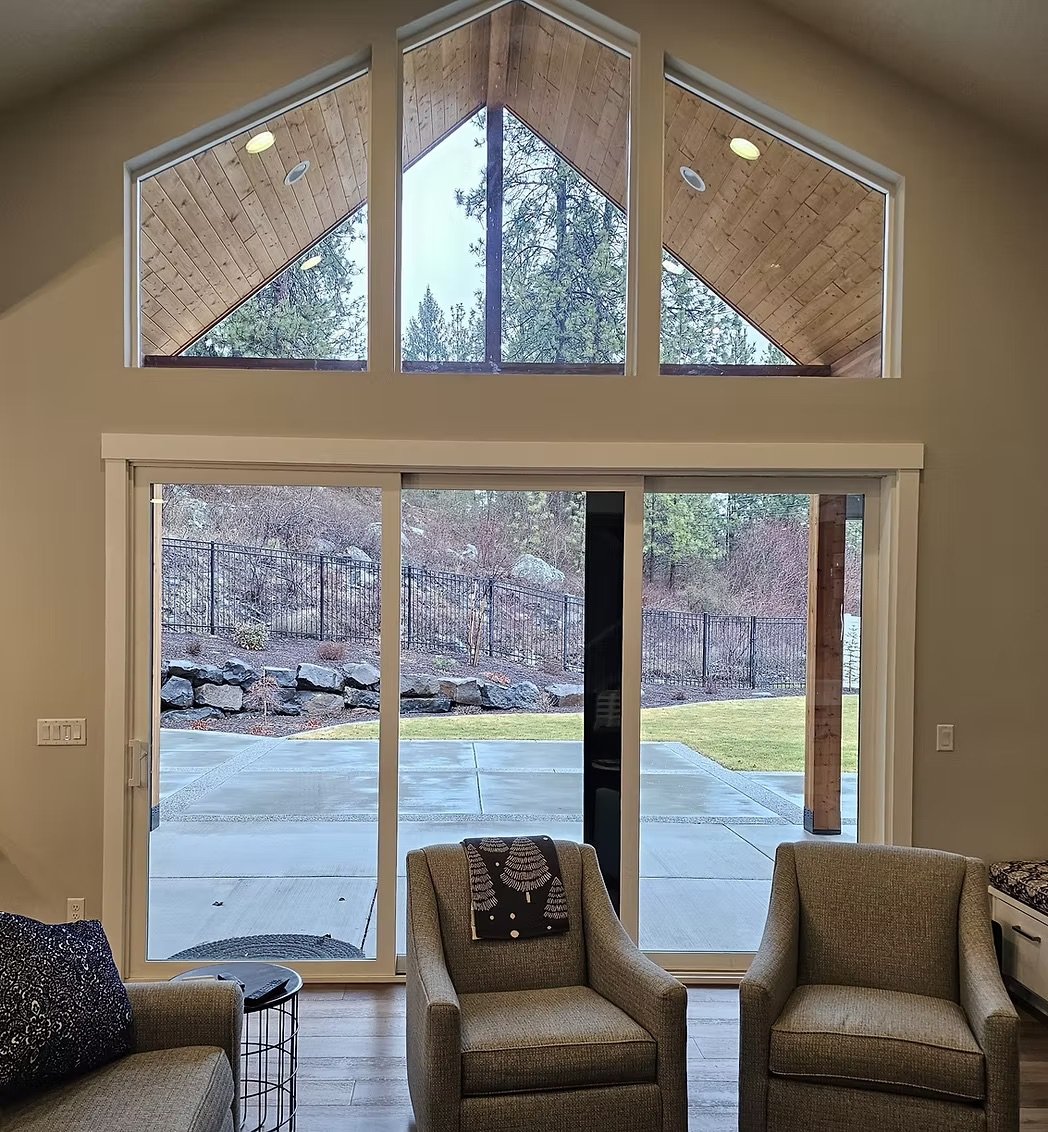
Performance, comfort, and energy efficiency explained
If you’re considering replacing your windows, one of the most important distinctions to understand is single-pane vs double-pane glass. While they may look similar, their performance is dramatically different.
What is a single-pane window?
Single-pane windows are made of one sheet of glass. They were common in older homes but offer very little insulation.
Limitations of single-pane windows:
Poor energy efficiency
Increased drafts
Little sound insulation
Higher heating and cooling costs
If your home still has single-pane windows, they are almost certainly contributing to energy loss.
What is a double-pane window?
Double-pane windows use an insulated glass unit (IGU) consisting of:
Two panes of glass
A sealed spacer between panes
Often filled with argon or krypton gas
This design significantly slows heat transfer and improves comfort.
Benefits of double-pane windows:
Better insulation
Reduced drafts
Improved noise control
Lower energy bills
Energy efficiency comparison
Single-pane windows have very high U-factors, meaning heat moves through them easily. Double-pane windows, especially with Low-E coatings, offer much lower U-factors and better overall performance.
This is why energy rebates and tax credits almost always require double-pane or better windows.
Which should you choose?
In most cases, replacing single-pane windows with modern double-pane windows is one of the highest-impact upgrades a homeowner can make.
Wenatchee Valley Glass helps Chelan County homeowners identify existing window types and recommend efficient replacements that improve comfort and qualify for available incentives.
Pocket Replacement vs. Full-Frame Window Replacement: Choosing the right installation method for your home
Not all window replacements are the same. One of the most important decisions is whether to choose a pocket replacement or a full-frame replacement.
What is a pocket replacement window?
Pocket replacement windows (also called insert replacements) fit inside the existing window frame after the old sashes and tracks are removed.
Best when:
Existing frame is in good condition
No rot or structural damage is present
You want a quicker, less invasive install
Benefits:
Faster installation
Lower labor cost
Minimal disruption to interior and exterior finishes
What is a full-frame replacement window?
Full-frame replacement involves removing the entire existing window, including the frame, sill, and trim.
Best when:
Frames are rotted or damaged
You want to change window size or style
Energy performance needs a full upgrade
Benefits:
Addresses hidden damage
Allows resizing and reconfiguration
Maximizes long-term performance
Which option is right for you?
Pocket replacements work well when existing frames are solid. Full-frame replacements are better when there are structural concerns or major design changes.
A professional assessment is the best way to decide. Wenatchee Valley Glass evaluates each opening to recommend the most appropriate installation method for your Chelan County home.